

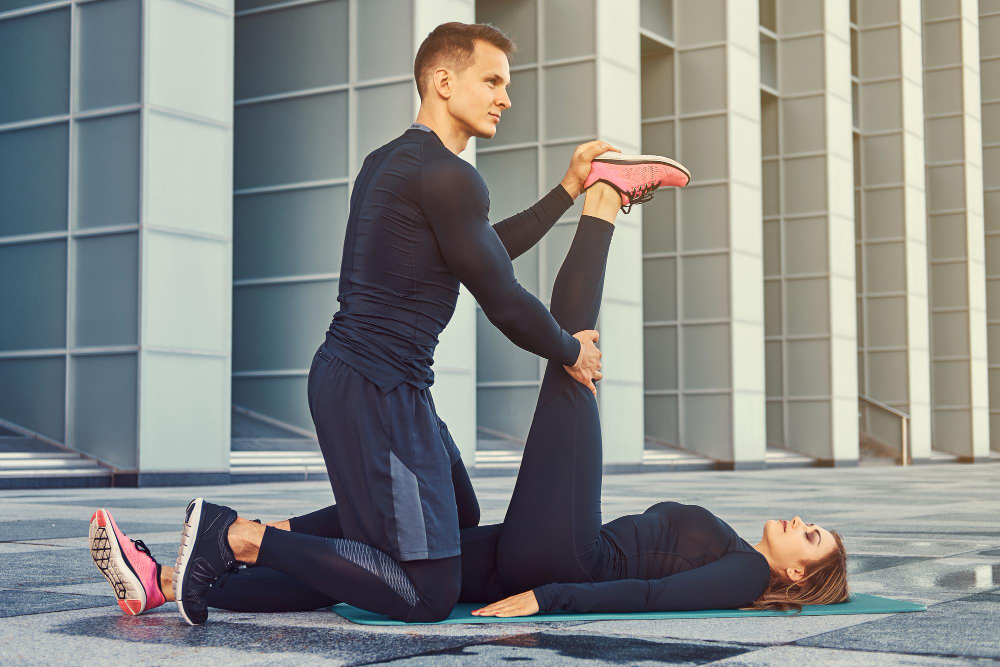
When talking about sports, you may hear the terms mobility and flexibility. But what do they really mean? In the debate of mobility vs flexibility, many athletes wonder which is more important for their training. Both play a big role in improving athletic performance through mobility and flexibility training. Understanding the difference can help you stay safe and reach your goals.
What Is Mobility?
Mobility means how well a joint moves through its full range. For example, your shoulder’s ability to move in a circle shows mobility. In fact, mobility depends on more than just muscles. It also involves joints, tendons, and nerves. Because of this, mobility exercises for athletes often include active movements, not just stretches.
What Is Flexibility?
Flexibility is the ability of muscles and soft tissues to stretch. For instance, touching your toes shows flexibility in your hamstrings. However, flexibility does not always mean you can move well. It only shows how far a muscle can lengthen. Flexibility training benefits include less muscle tightness and better posture.
Key Differences Between Mobility and Flexibility
Although these terms sound similar, they are not the same. Mobility vs flexibility comes down to how you move versus how far you can stretch. For example, you might have flexible muscles but still lack good mobility in your hips.
Why Mobility Matters for Athletes
For athletes, mobility is key to safe and strong movement. Because sports often require quick changes in direction, good mobility helps you react faster. In addition, mobility exercises for athletes can help prevent injuries. According to experts, strong mobility supports better balance and power.
Why Flexibility Matters for Athletes
Flexibility is also important for athletes. When your muscles stretch easily, you can move more comfortably. For example, flexible hamstrings help runners stride longer. Plus, flexibility training benefits include less muscle stiffness and faster recovery after workouts.
How to Assess Your Mobility and Flexibility
Knowing your limits is the first step to improvement. For mobility, try moving a joint through its full range. For example, squat down and see if your hips and ankles move freely. For flexibility, try simple stretches and notice how far you can reach.
Tips to Improve Mobility
Improving athletic performance through mobility starts with regular practice. Because mobility is active, focus on movements that use strength and control. Many athletes add these tips to their routine:
Tips to Improve Flexibility
Flexibility training benefits everyone, not just athletes. To get started, add gentle stretches after your workout. Because muscles are warm, stretching is safer and more effective at this time.
Common Myths About Mobility and Flexibility
Many people believe myths about mobility vs flexibility. However, not all are true. Here are some common misunderstandings: