

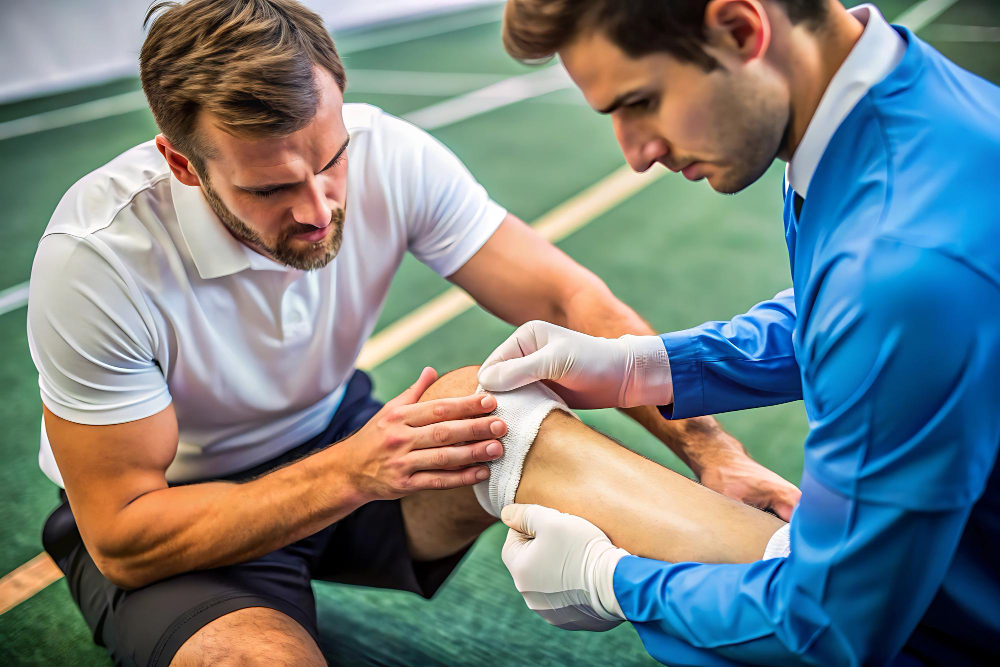
Many people wonder, why do athletes get injured even when they train hard and stay fit? Although athletes work to keep their bodies strong, injuries can still happen. In fact, hidden causes of athletic injuries often go unnoticed. Understanding these athlete injury risk factors can help everyone stay safer during sports and exercise.
Common Types of Athletic Injuries
First, it helps to know which injuries are most common in sports. While some injuries are minor, others can keep athletes out for weeks or months. For example, the Centers for Disease Control and Prevention (CDC) lists these as frequent sports injuries:
Although these injuries can happen in any sport, some are more likely in certain activities. For instance, runners may face more strains, while football players often get sprains or concussions.
Hidden Risk Factors for Athlete Injuries
However, not all injury risks are easy to spot. Many hidden risk factors can increase the chance of getting hurt. Even when athletes feel healthy, these risks may be present. Some hidden causes of athletic injuries include:
Moreover, stress and lack of sleep can also make injuries more likely. For this reason, it is important to look at the whole picture when thinking about athlete injury risk factors.
How Overtraining Contributes to Injuries
Sometimes, athletes push themselves too hard. Overtraining happens when someone exercises without enough rest. As a result, the body does not have time to heal. This can lead to overuse injuries, such as stress fractures or tendonitis.
In addition, overtraining can cause fatigue, which affects balance and focus. When athletes are tired, they may move differently or react slower. Therefore, the risk of accidents and injuries increases. Sports injury prevention tips often include rest days and listening to your body.
The Role of Biomechanics and Genetics
Not all injury risks come from training habits. In fact, the way a person moves, called biomechanics, can play a big role. For example, if someone runs with poor form, they may put extra stress on certain joints.
Furthermore, genetics can affect injury risk. Some people are born with looser joints or weaker connective tissues. Others may have flat feet or different bone shapes. Because of these natural differences, some athletes are more likely to get hurt, even with good training.
Environmental and Equipment-Related Risks
Besides personal factors, the environment and equipment also matter. For instance, slippery floors or uneven ground can cause falls. Weather can also play a part. Hot days may lead to dehydration, while cold weather can make muscles stiff.
Additionally, using the wrong gear increases injury risk. Worn-out shoes, poorly fitted helmets, or broken pads do not protect as they should. Therefore, checking equipment before each use is a key part of preventing sports injuries.
Prevention Strategies for Athletes
Although injuries can happen, many can be prevented. Following sports injury prevention tips can help athletes stay healthy and active. For example, the World Health Organization (WHO) suggests these steps:
Because every athlete is different, it is wise to talk with a coach or doctor about personal risk factors. By understanding why athletes get injured and taking steps to prevent problems, everyone can enjoy sports more safely, consult Dr.Rohit at Sparsh Medicine for assessment and treatment.